
Your supplier of flavor and aroma raw materials in Venezuela
Anbras® is a Venezuelan manufacturer and distributor of flavor, aroma and natural extract raw materials for the food, beverage, snack, pharmaceutical and animal feed industries, and also a specialist in ice cream, gelato and slush (granizado) ingredients since 1999.
See you at Ferihelado 2026
- Booth 11
- November 20, 21 and 22, 11:00 a.m. to 7:00 p.m.
- Espacios Caracas, C.C. Líder
What do you make?
Choose your line. Both come with samples and technical advice.
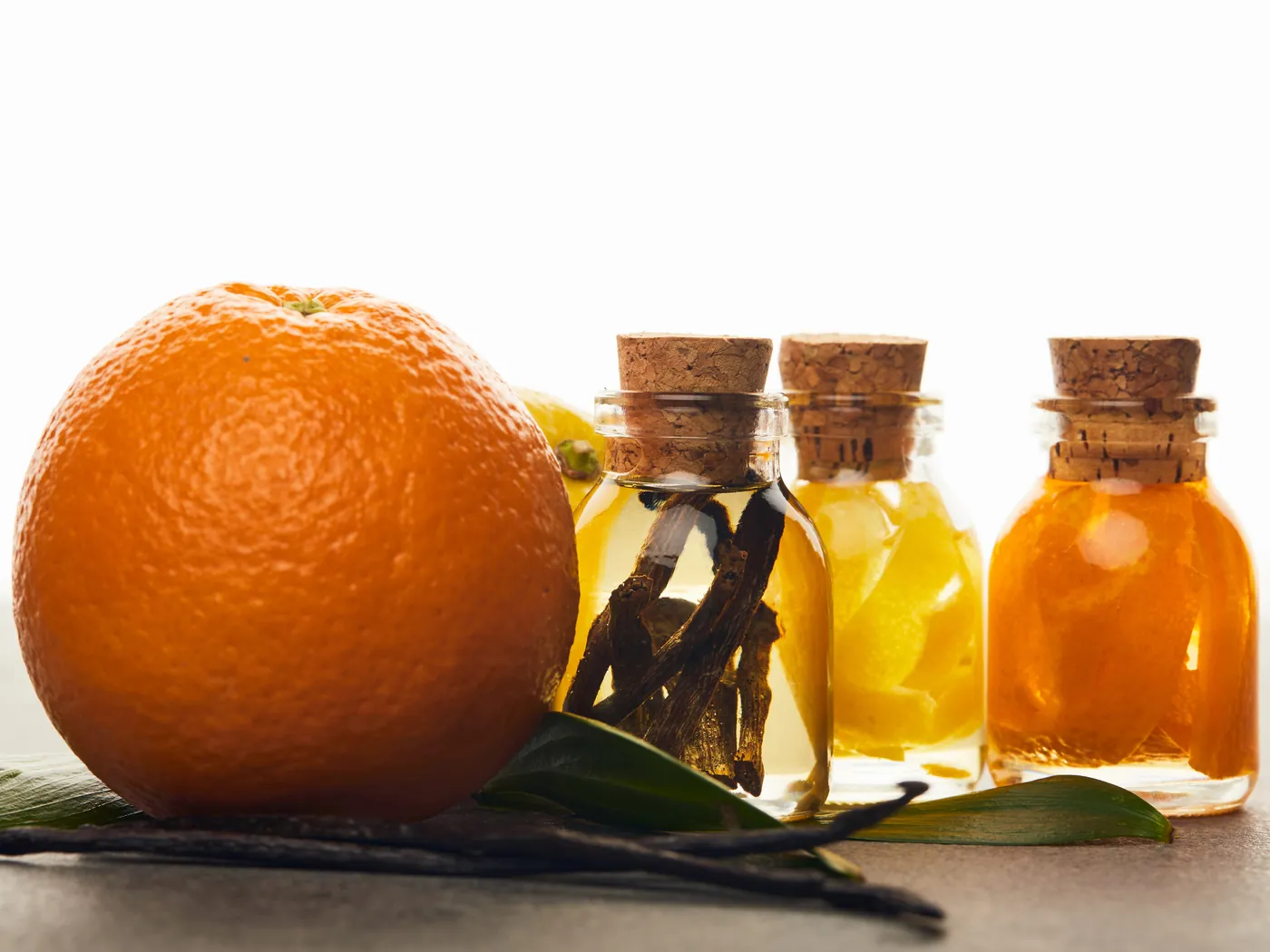 Liquid and powder
For industry
Flavors, aromas and natural extracts
Raw materials for food, beverages, snacks, pharmaceuticals and animal feed.
- Sweet and savory flavors
- Natural extracts
- Essential oils
- Caramel color
- Dehydrated fruit
- Vitamin premixes
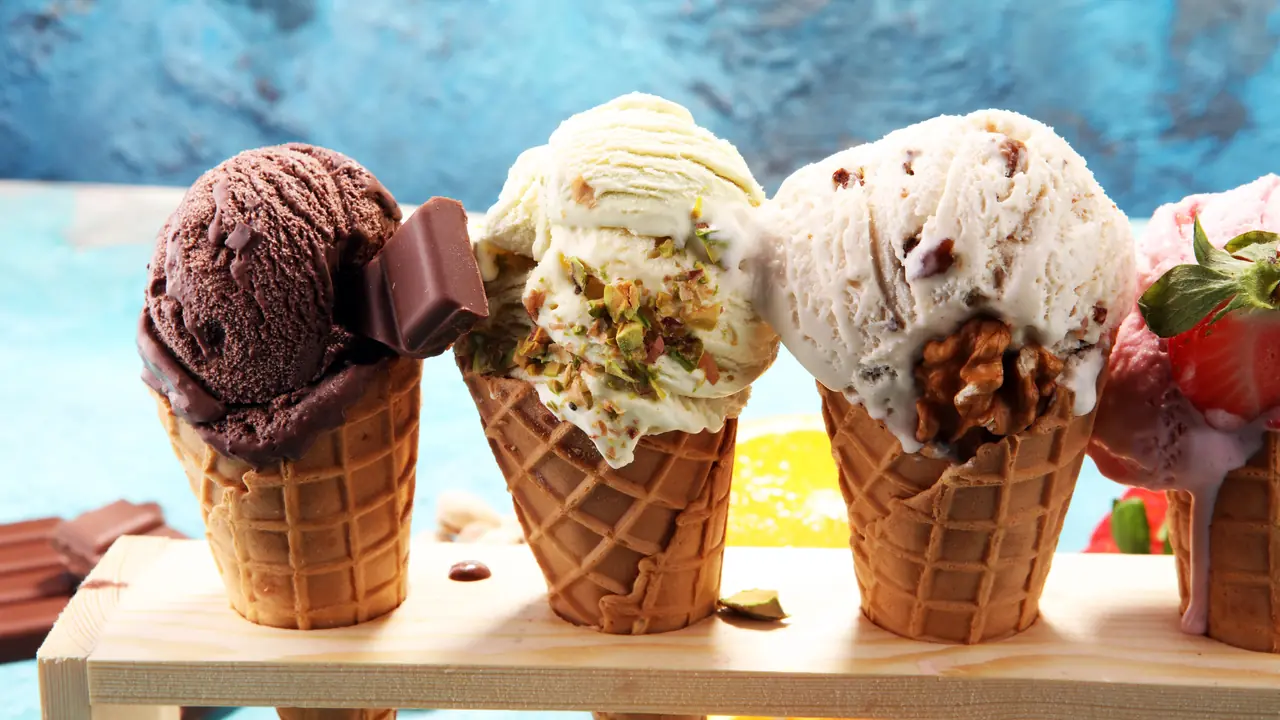 The flavor that drives your ice cream
For ice cream shops and factories
Ice cream, gelato and slush ingredients
Flavors for milk ice cream, water ice and slushes, plus stabilizers and emulsifiers for every type of ice cream.
- Milk ice cream flavors
- Water ice flavors
- Slush flavors
- Stabilizers
- Emulsifiers
Request a sample and test it in your production
An Anbras advisor will contact you within 24 to 48 hours.
- 1
Tell us what you make
Write to us through the form or on WhatsApp.
- 2
Get technical advice
We’ll recommend the right sample for your product.
- 3
Test it in your production
If it works for you, place your order.
Free tools for your production
Calculate your savings with our calculator, and get our catalogs and guide by email. These tools are in Spanish.
Cost calculator
NewCompare what flavor costs you today per liter of mix with what you would pay with Anbras flavors, and see how much you save.
- Enter your production data.
- Compare your current flavor with Anbras.
- Download a report with your real numbers.
Opens in a new tab, in Spanish.
How many bags of flavor do you need per month?
Reference image. Your actual savings depend on your production data.
Ice cream and slush catalog
Our flavors and ingredients for ice cream, gelato and slushes. In Spanish.
Get the catalogFlavors and aromas catalog
For food, beverages, pharmaceuticals and animal feed. In Spanish.
Get the catalogE-book: Sensory analysis of food
A guide by Angélica Rangel, industrial chemist and co-founder of Anbras®, to evaluate the flavor of your products methodically. In Spanish.
Get the e-bookLearn with Anbras
Short videos and technical guides from our team on flavors, aromas and ice cream, in Spanish.
 Flavors
What is the difference between natural, nature-identical and artificial flavors?
 Ice cream
What no one told you about overrun
 Ice cream
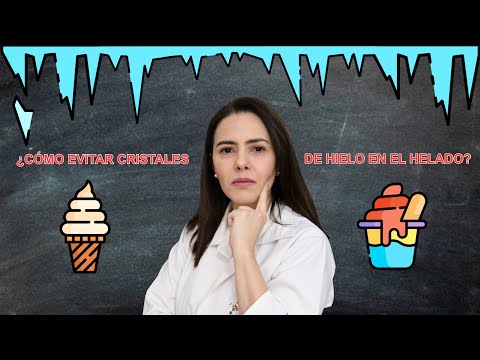
 defect #1: ice crystals
Most-read guides on our blog, in Spanish
Go to the blog



Meet our team
Anbras® was founded in 1999 by Miguel Vieira and Angélica Rangel, an industrial chemist. Since then, we have supported food manufacturers, laboratories and ice cream shops with technical advice and raw materials for their products.
About us- Since 1999Manufacturer and distributor
- Active member of CAVIDEAVenezuelan Chamber of the Food Industry
- Caracas, VenezuelaLa Trinidad, Miranda State
- Reply within 24 to 48 hoursTo every sample request
FAQ
What customers ask us most about flavors and ice cream.
Have another question? Message us on WhatsAppAbout flavors
What is the difference between a flavoring, a flavor, an aroma and an essence?
These words are all synonyms. Under the Venezuelan standard COVENIN 910:2000, the official terms are saborizante and aromatizante (flavoring).
Note: the only incorrect term is fragrance. Fragrances give scent to cosmetics, personal care and cleaning products, and cannot be used in food.
What is a flavoring?
Under the Venezuelan standard COVENIN 910:2016, flavorings are aromatic substances, or mixtures of them, obtained through physical or chemical processes of isolation or synthesis. They can be natural, nature-identical or artificial.
Read the General Standard for Food Additives – COVENIN 910:2016 (in Spanish).
What is a natural flavor?
Natural flavors are obtained through physical, microbiological or enzymatic processes from plant or animal products.
To learn more, watch the video “What is the difference between natural, nature-identical and artificial flavors?” (in Spanish) on our channel: YouTube Anbras.
What is a nature-identical flavor?
Nature-identical flavors are obtained through physical, microbiological, enzymatic, chemical synthesis or chemical isolation processes, and their formula includes components identical to those found in nature.
To learn more, watch the video “What is the difference between natural, nature-identical and artificial flavors?” (in Spanish) on our channel: YouTube Anbras.
What is an artificial flavor?
Artificial flavors are obtained through chemical synthesis and include, in any proportion, components that do not occur naturally in animal or plant products.
To learn more, watch the video “What is the difference between natural, nature-identical and artificial flavors?” (in Spanish) on our channel: YouTube Anbras.
About ice cream
Why do ice crystals form in ice cream?
The main causes are an unbalanced formula, too few milk solids-not-fat and the lack of a stabilizer.
To learn more, watch the video “Ice cream defect #1 – Ice crystals” (in Spanish) on our channel: YouTube Anbras.
Why does the mix of fruit ice cream separate?
It happens because of the difference in density between the fruit pulp and the water. The solution: ice cream stabilizers.
To learn more about ice cream stabilizers, watch the video “Ice cream stabilizer” (in Spanish) on our channel: YouTube Anbras.
Can you use wheat flour or cornstarch to make ice cream?
You can, but you shouldn’t: neither wheat flour nor cornstarch is an ice cream stabilizer. Both add viscosity to the mix, but they don’t do what a stabilizer does:
- Prevents ice crystals from forming.
- Gives the ice cream a smooth body.
- Gives it a uniform texture.
- Makes it more resistant to melting.
- Prevents sucking out: when you suck on the ice cream, the color and flavor come out and it turns white and tasteless.
- Keeps the texture stable through temperature changes during transport, storage and consumption.
To learn more about ice cream stabilizers, watch the video “Ice cream stabilizer” (in Spanish) on our channel: YouTube Anbras.
Why does all the color and flavor come out when you suck on an ice pop?
This is known as the sucking-out effect: sucking on the ice cream draws out the dissolved ingredients (sugar, cocoa, milk, fruit pulp, coloring, etc.), leaving only the water as ice. It happens when a stabilizer isn’t used in the right amount.
To learn more about ice cream stabilizers, watch the video “Ice cream stabilizer” (in Spanish) on our channel: YouTube Anbras.
Is your ice cream or ice pop rock hard?
Ice cream and ice pops should have a pleasant texture that makes them easy to eat. Ice cream in cups, for example, should be easy to eat with a spoon, but it often ends up being sucked like an ice pop because it is too hard.
Many factors affect texture: the balance of the formula, whether the ice cream is water- or milk-based, whether it contains fat, and so on. But two ingredients are essential for a good texture: stabilizers and emulsifiers. Each has its own role, and together they work perfectly, like shampoo and conditioner: you use them together for the best results.
To learn more about ice cream stabilizers, watch the video “Ice cream stabilizer” (in Spanish) on our channel: YouTube Anbras.
Do you use fruit and your ice cream tastes watery?
Today there is a trend toward flavoring ice cream and ice pops with natural fruit pulp, which is great from a nutritional point of view. The problem is that if you use only fruit, costs are usually very high: you need large amounts to achieve the characteristic flavor, and the flavor and color also vary (which is normal). In season the fruit has a lot of flavor and out of season it has less, so you have to add more, and even then the flavor isn’t the same.
That is why industrial ice cream always uses flavorings, even when it is made with fruit: they reduce costs, standardize flavor and color, and the customer always gets the same product, regardless of how the fruit varies.
What is overrun?
Overrun is the air incorporated into the ice cream mix. In all machine-made ice cream, whether continuous or batch, air is injected during freezing. This increases the volume and makes the ice cream softer, creamier and lighter. It also yields more, because the same mix takes up more space.
To learn more about overrun, watch the video “What no one told you about overrun” (in Spanish) on our channel: YouTube Anbras.
How do you calculate ice cream overrun?
Knowing how to calculate overrun is key to costing your ice cream correctly. The higher the overrun, the higher the yield: with the same raw materials, that is, at the same cost, you get more servings and the cost per unit goes down.
To calculate it, fill the same container first with liquid mix and then with ice cream fresh from the machine, and weigh both. Overrun (%) = (mix weight − ice cream weight) ÷ ice cream weight × 100. Example: if the container weighs 1,000 g with mix and 500 g with ice cream, the overrun is 100%.
Calculate it here
Weigh the liquid mix and the freshly made ice cream in the same container.
To learn more about overrun, watch the video “What no one told you about overrun” (in Spanish) on our channel: YouTube Anbras.
What is ice cream balance?
It is a set of theoretical calculations that tell you whether an ice cream formula is stable. The proportions of the ingredients must be in balance, so the amounts of fat, MSNF (milk solids-not-fat), sugar and total solids are analyzed.
This balance determines whether the ice cream forms ice crystals, incorporates and holds air, has a pleasant texture and a good meltdown time.
What is an emulsifier?
Technical answer: an emulsifier is a substance that stabilizes an emulsion. It is usually a surfactant, that is, a substance that acts on the surface tension at the interface between two phases.
Simple answer: it keeps two ingredients that normally don’t mix, such as water and fat, from separating.
Why does ice cream turn sandy?
Because of excess lactose. When the mix has too many milk solids (for example, a lot of milk powder), the lactose can crystallize during storage and the ice cream feels sandy in the mouth.
We’d love to hear from you
- AddressCalle Socuy, La Trinidad, Caracas, Miranda 1080, Venezuela
- WhatsApp+58 424 173 6863
- Emailventas@anbras.com
- Business hoursMonday to Friday
8:00 a.m. to 12:00 p.m. and 1:00 p.m. to 5:00 p.m. (Caracas time)
Anbras in La TrinidadCalle Socuy, Caracas
Get directionsHave a product in mind?
Tell us what you make and we’ll recommend the right raw material.

