
Dairy cultures · Anbras® since 1999
Yogurt cultures
Freeze-dried, direct inoculation lactic cultures for drinkable yogurt, stirred yogurt and soft and semi-hard cheeses. You add them directly to the milk, without preparing a mother culture, and we prepare the sachets to fit your production.
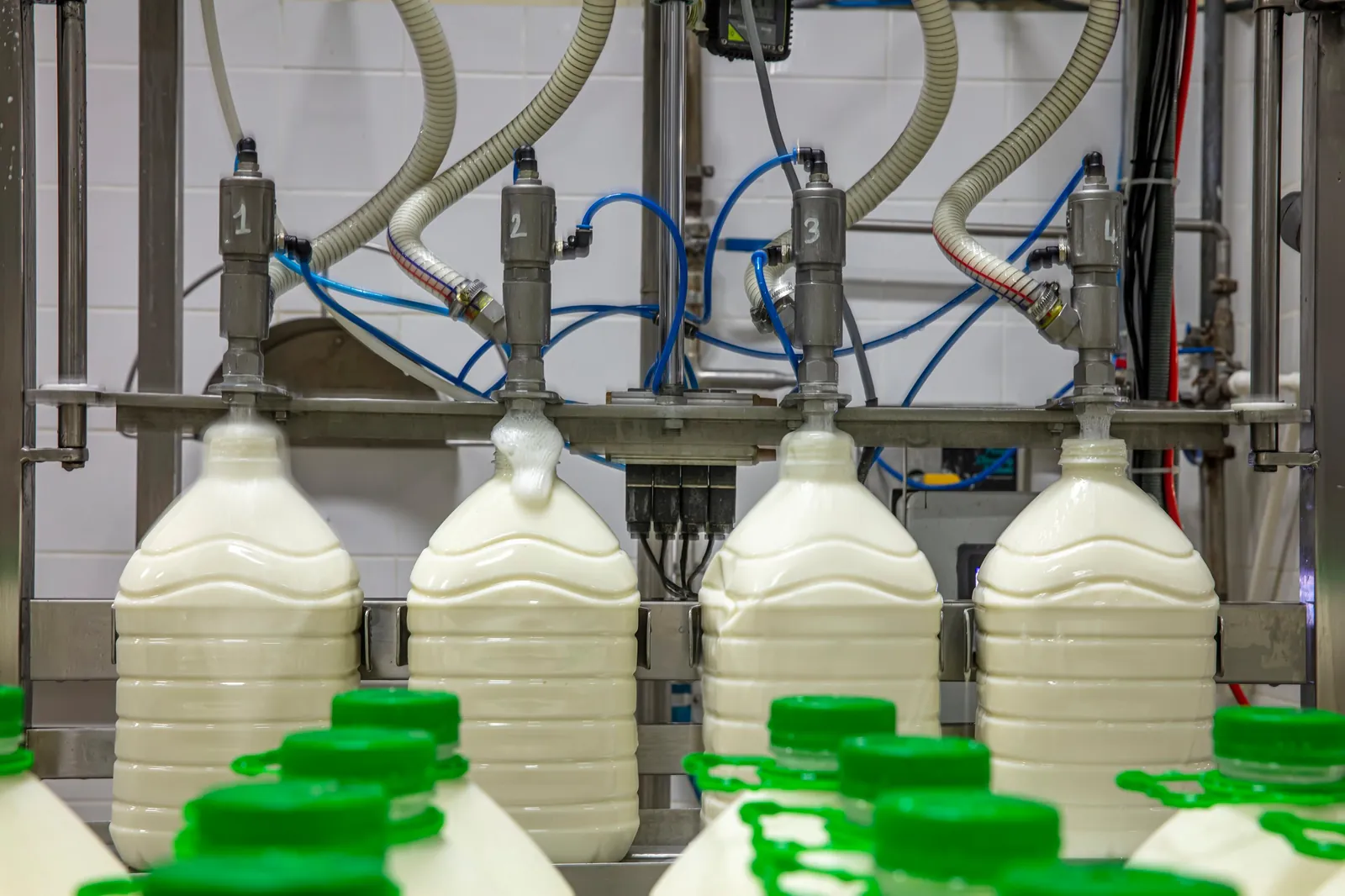 Custom sachets
Direct inoculation
What is a yogurt culture?
It is the combination of lactic acid bacteria that ferments milk and turns it into yogurt: it acidifies the milk and gives it its texture and flavor.
Our cultures are freeze-dried and direct inoculation: you add them directly to the milk, without first preparing a mother culture.
- Freeze-dried
- Direct inoculation
- No mother culture
Streptococcus thermophilus
A lactic acid bacterium shaped like cocci: small spheres that grow in chains.
Lactobacillus delbrueckii subsp. bulgaricus
A lactic acid bacterium shaped like bacilli, that is, rods.
- The two work together to ferment the milk.
Choose the culture for your product
Two cultures from the same line, each with its own rotations. Choose one to request your sample.
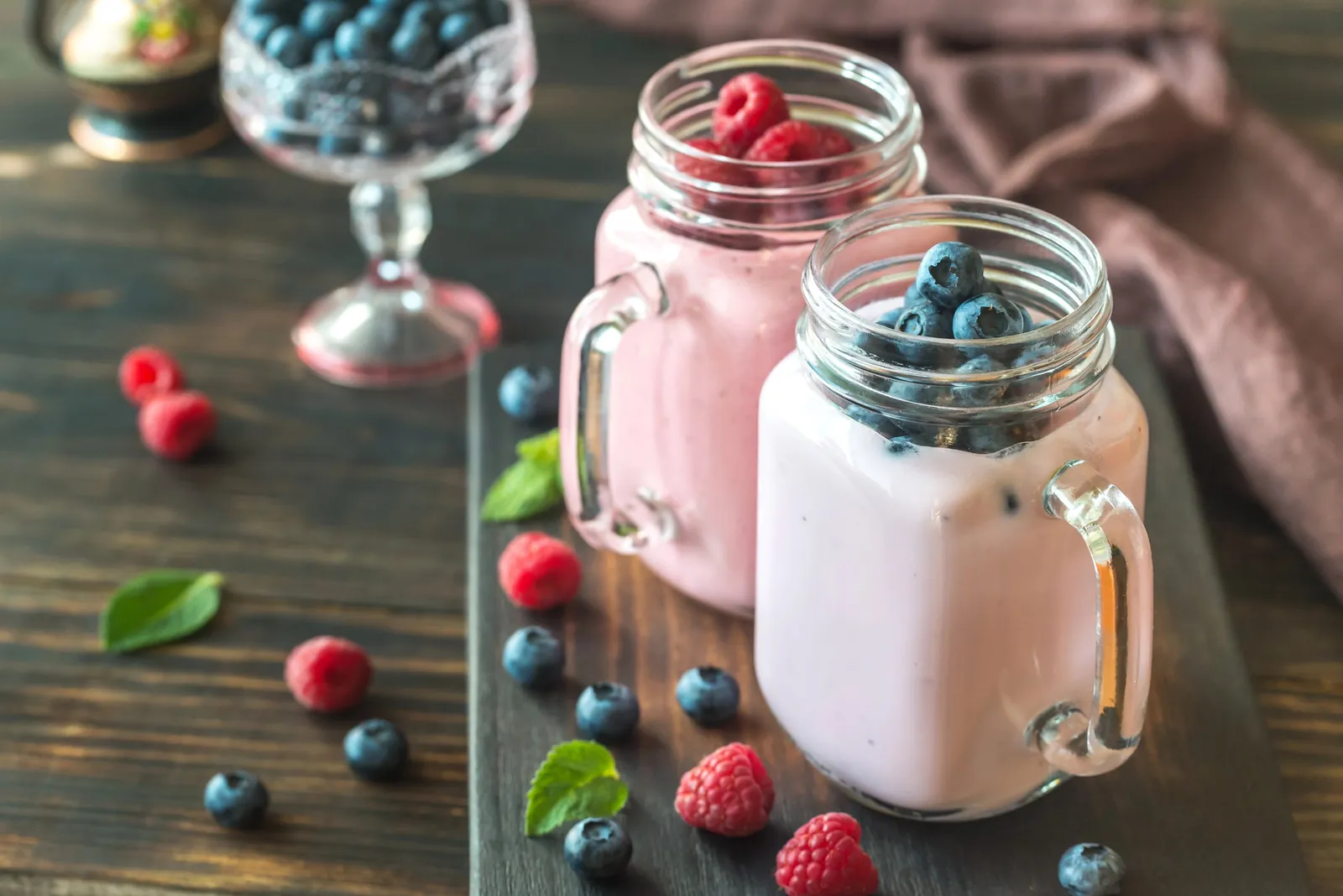
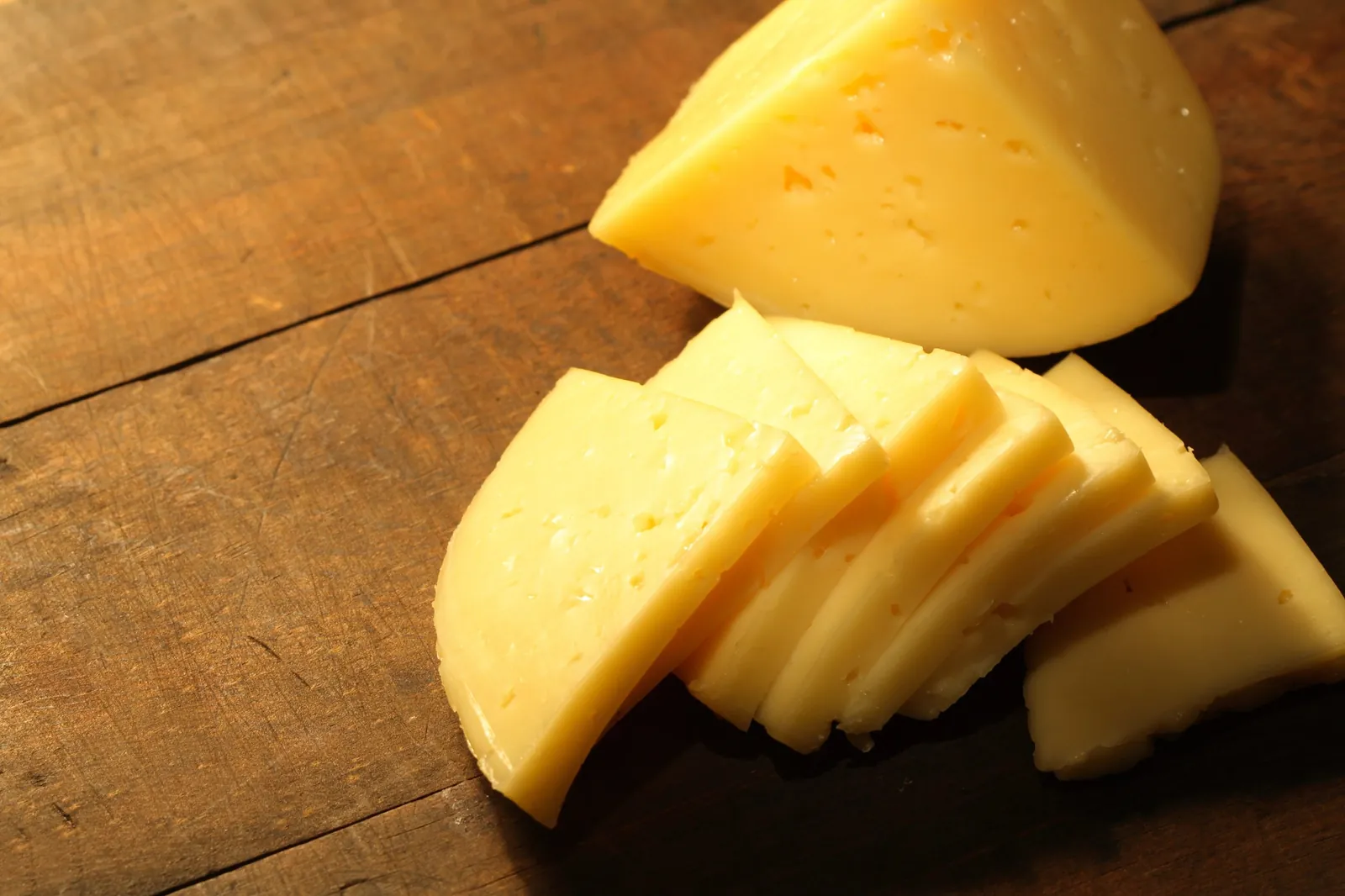 Drinkable yogurt and cheese
Culture for drinkable yogurt and cheese
For drinkable yogurt and for soft and semi-hard cheeses.
- Available rotations
- 2
- Storage
- Frozen
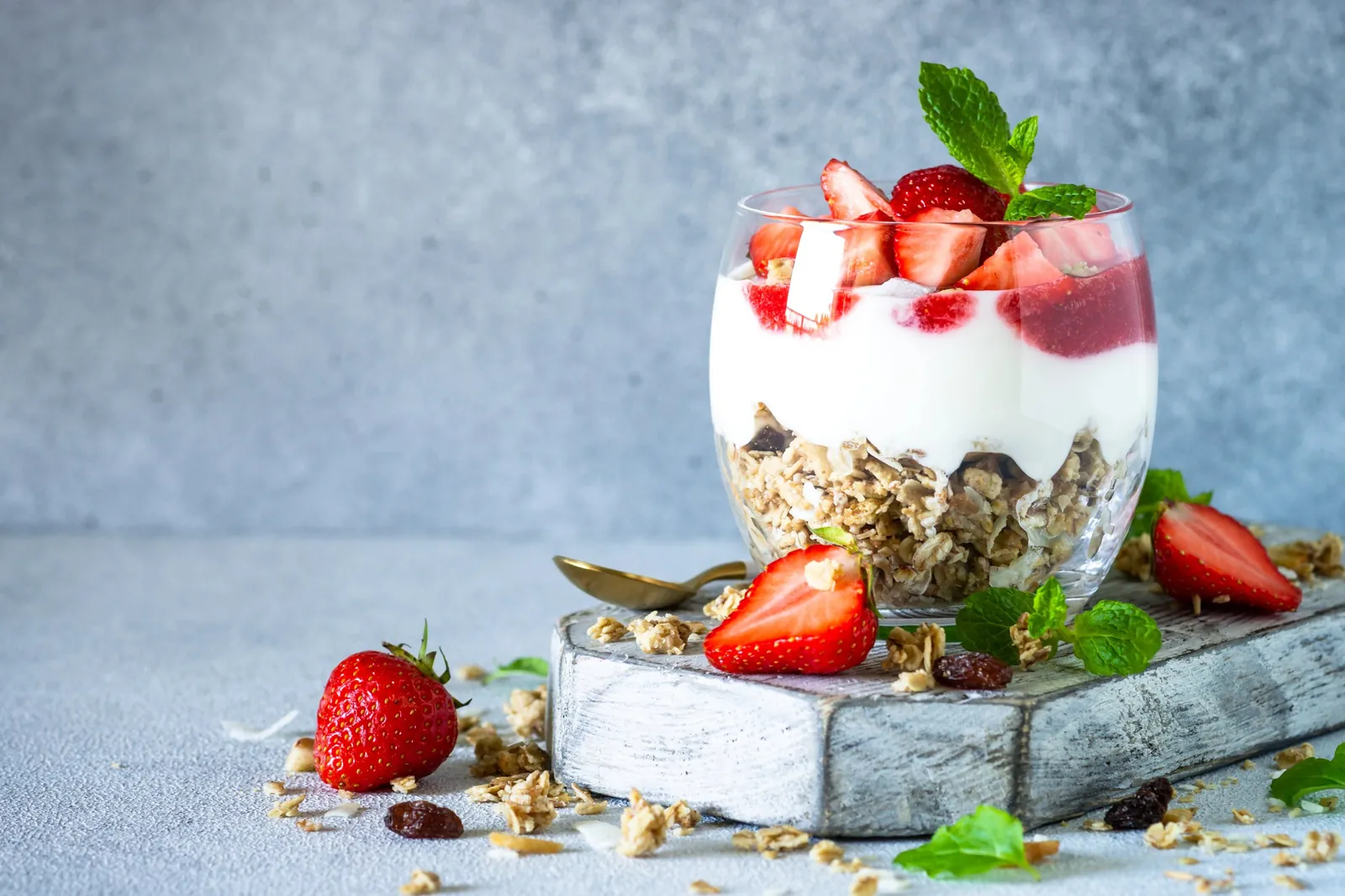 Stirred yogurt
Culture for stirred yogurt
For stirred yogurt, with a high count of viable bacteria.
- Count
- ≥ 5 × 10¹⁰ CFU/g
- Available rotations
- 3
- Storage
- Frozen
Custom sachets
You tell us the liters. We prepare the sachet.
We prepare each sachet to the size your plant needs, based on the liters of milk you are going to ferment.
Get a quote for your sachetsTell us how many liters of milk each sachet should cover.
We prepare your custom sachets with the culture you chose.
We ship them by courier anywhere in Venezuela.
Packaging and storage
The same for both cultures.
- Packaging
- Sachets sized to your liters of milk
- Storage
- Frozen. Withstands up to 3 days out of the fridge during shipping.
How to use it
- 1
Prepare the milk
Pasteurize it according to your process and bring it to about 43 °C.
- 2
Add the culture
Add the sachet directly to the milk and mix for 2 to 3 minutes.
- 3
Incubate
Let it ferment until the pH reaches about 4.6.
- 4
Cool and finish
Cool it to stop fermentation, then continue with stirring, flavoring and packaging.
As a reference, at 43 °C the pH reaches 4.6 in about 4.5 hours (test in 10% reconstituted skim milk). Actual times depend on your milk and your process.
Quality and support
Cultures with controlled microbiological quality and a technical team that supports you all the way to your plant.
Controlled microbiological quality
Absence of E. coli and S. aureus in 1 g, and of Salmonella in 25 g.
Rotations for daily production
Alternating cultures from the same line helps prevent bacteriophages, which can slow down fermentation. The culture for drinkable yogurt and cheese has 2 rotations, and the one for stirred yogurt has 3.
Technical advice and samples
We help you with temperature, timing and adjustments to your process, and we send you a sample to test in your plant.
Broad portfolio, one source
Cultures, flavors, dehydrated fruits and ice cream solutions from a single supplier: less supplier management and more traceability.
Technical catalog of flavors and aromas
Includes flavors for dairy: yogurt, flavored milk, cheese and desserts. We send it to your email in PDF. In Spanish.
Flavor your yogurt
Combine your cultures with our flavors and with dehydrated fruit in powder, flakes or pieces.
Learn with Anbras
Short videos from our technical team on yogurt, in Spanish.

How to make the best artisanal plain yogurt

How to make Greek yogurt without a machine

How to make a good yogurt ice pop
- Since 1999Manufacturer and distributor
- Active member of CAVIDEAVenezuelan Chamber of the Food Industry
- Caracas, VenezuelaLa Trinidad, Miranda State
- Reply within 24 to 48 hoursTo every sample request
What is a direct inoculation culture?
It is a freeze-dried culture that you add directly to the milk (direct vat set, DVS), without first preparing a mother culture.
Which bacteria do they contain?
Streptococcus thermophilus and Lactobacillus delbrueckii subsp. bulgaricus, the two lactic acid bacteria of yogurt.
Which culture should I choose?
For drinkable yogurt and soft and semi-hard cheeses, the culture for drinkable yogurt and cheese. For stirred yogurt, the culture for stirred yogurt. If you are unsure, we will advise you.
How much culture do I need?
It depends on the liters of milk you are going to ferment. Tell us how many liters you process and we will prepare custom sachets.
What are rotations for?
Alternating cultures from the same line helps prevent bacteriophages, which can slow down fermentation.
How are they stored and shipped?
They are stored frozen and withstand up to 3 days out of the fridge during shipping. We ship them by courier anywhere in Venezuela.
How long does fermentation take?
As a reference, at 43 °C the pH reaches 4.6 in about 4.5 hours. Actual times depend on your milk and your process.
How do I request a sample?
Fill out the sample request form or message us on WhatsApp. An Anbras advisor will contact you within 24 to 48 hours.
Want to try it in your plant?
Request a sample and an Anbras advisor will contact you within 24 to 48 hours.

